Cyber Security for Australian SMBs: Why Firing the Tools Cannon Won’t Fix Your Security Posture
The Australian Cyber Security Centre’s (ACSC) 2023–24 Annual Cyber Threat Report found that the average self-reported cost of cybercrime per incident for small businesses was $49,600, and for medium businesses, $62,800.
These figures are more than statistics; they are a wake-up call. In 2025, cyber security for small and mid-sized businesses (SMBs) in Perth and across Australia is no longer a “nice-to-have” or a post-growth add-on for ticking compliance boxes like ISO 27001. Improving your security posture is essential from day one, whether you are running an accounting firm in the Perth CBD, a medical clinic in Brisbane, or a legal practice in Sydney.
If you have found yourself here, you are already taking the right first step toward reducing your risk of becoming a cybercrime victim.
The “Tools Cannon” Trap and Why It Hurts SMBs
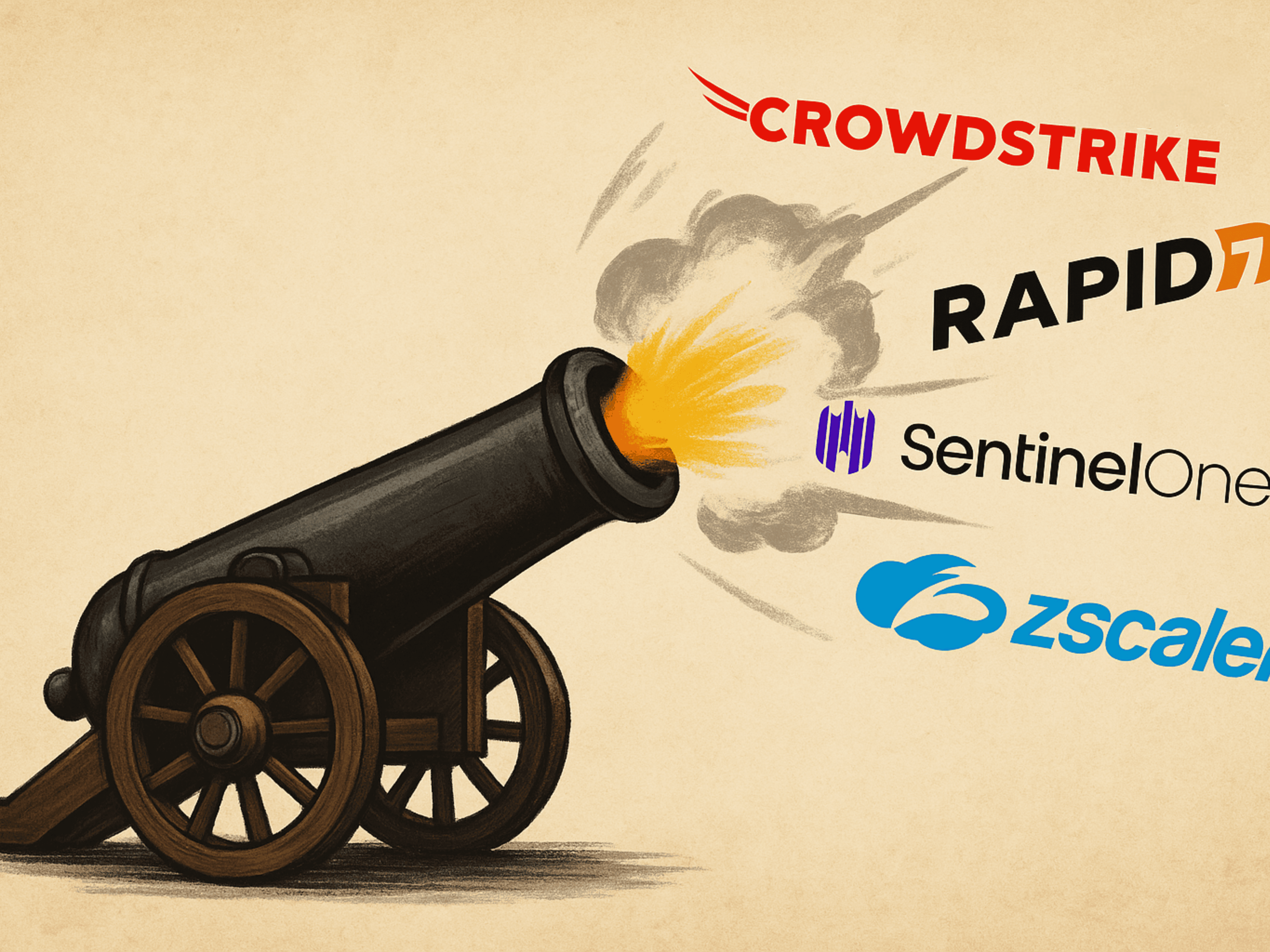
You have allocated budget to improving your cyber security posture. That is a positive move. However, one of the fastest ways to burn through that budget without long-term results is to fire the tools cannon — buying every new cyber security product available without a clear plan.
You may have heard terms like:
- Antivirus
- Endpoint Detection and Response (EDR)
- Secure Web Gateway
- Firewall
- Secure Email Gateway
- SaaS Security Posture Management (SSPM)
- Cloud Security Posture Management (CSPM)
These tools can deliver significant value when managed by trained security teams with the right resources.
The reality for most SMBs across Australia is that:
- There is no dedicated in-house security team
- Staff often do not receive proper vendor training to use the tools effectively
- Responsibility for managing tools is unclear, leading to neglect until renewal time
As a security engineer working with SMBs nationwide, I have seen many organisations chase ISO 27001 compliance or Essential Eight maturity by purchasing stacks of tools without assigning ownership or creating a training plan. The outcome is often wasted investment with little improvement to security.
So where should SMBs start if not with tools?
Step One: Build Security Awareness, Training and Culture
While “organisational culture” can sound like a corporate buzzword, in cyber security it is a genuine driver of resilience.
Research from the International Research Journal for Engineering and Technology (IRJET) has shown that the least security-aware employee is often the weakest link in an organisation’s defence chain.
Common attack types targeting Australian SMBs — such as phishing and Business Email Compromise (BEC) — do not rely on advanced hacking techniques. They rely on deception. Attackers create convincing fake Microsoft 365 login pages, Australia Post delivery alerts, or ATO payment requests to trick staff into revealing credentials.
Even Multi-Factor Authentication (MFA) is not a guaranteed safeguard. CyberCX’s 2025 Threat Report found 70% of BEC attacks bypassed MFA entirely.
While tools like Secure Email Gateways can reduce the volume of phishing emails, they are not a complete solution. The most resilient SMBs invest in Security Awareness Training (SAT) and make it part of onboarding and ongoing employee education.
Security Awareness Training: A Practical First Step for SMBs
For SMBs, the most effective approach is to:
- Select reputable SAT providers such as Huntress or KnowBe4, which update content regularly to reflect emerging threats.
- Manage SAT in-house with designated security champions — assign one or more staff members to own the SAT program, track completion, and act as go-to resources for questions. This works best when those individuals have the necessary security knowledge and communication skills to guide colleagues. The caveat for SMBs is that most do not have in-house security specialists, which can limit program effectiveness and responsiveness.
- Outsource SAT management to a Managed IT and Security Services Provider like Cyber11 or directly to the vendor. This ensures consistent training delivery, ongoing updates, and performance tracking without adding workload to your internal team.
At Cyber11, we believe that no cyber security program is complete without the human element. We have partnered with Huntress to deliver continuously updated, relevant, and engaging cyber awareness training to SMBs across Perth and Australia, including law firms, accounting practices, healthcare providers, and other professional services.
The Bottom Line for Australian SMBs
Cyber security is not about buying the most tools. It is about building systems, processes and people that work together to protect your business. Starting with training and awareness can significantly improve your security posture and deliver better results for your budget.
Strengthen Your Security Posture with Cyber11
Cyber11 is a security-first Managed IT Services provider supporting SMBs across Perth and Australia. We help businesses:
- Improve cyber security resilience
- Achieve compliance goals such as ISO 27001 and the ACSC Essential Eight
- Protect against phishing, ransomware and insider threats
- Access fully managed IT and security support without the overhead of internal teams
Email hello@cyber11.com.au
Or submit an enquiry via our Contact Page
Your business deserves enterprise-grade security and IT expertise without enterprise-scale complexity.
References
- Australian Cyber Security Centre (ACSC). Annual Cyber Threat Report 2023–24. Retrieved from: https://www.cyber.gov.au/about-us/view-all-content/reports-and-statistics/annual-cyber-threat-report-2023-2024
- International Research Journal for Engineering and Technology (IRJET). An Effective Cybersecurity Awareness Training Model. Retrieved from: https://d1wqtxts1xzle7.cloudfront.net/89862930/IRJET_V9I401-libre.pdf
- CyberCX. (2025). CyberCX 2025 Threat Report. Retrieved from: https://cybercx.com.au/news/cybercx-2025-threat-report-media-release/